
HMRC says care industry VAT grouping is “tax avoidance”
HMRC is warning that setting up VAT groups in the care industry to reclaim VAT on what would otherwise be exempt supplies is tax avoidance. What’s the full story?
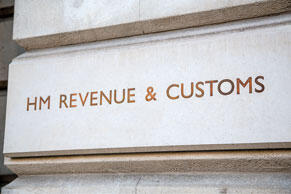
HMRC says that it considers the structuring of VAT groups within the care industry to gain a tax advantage to be tax avoidance. State-regulated care providers registered with the Care Quality Commission supplying welfare services are exempt from VAT. This means that VAT is not charged on the provision of care services to the Local Authority and consequently, VAT cannot be recovered on any costs associated with the supply of those services.
The structuring involves the insertion of a company that is not regulated, to form a VAT group and act as a “middleman” between the regulated company and the local authority. VAT is then charged by the new company and recovered on costs. While this may seem like a niche area, it is relatively common planning in practice.
HMRC is launching a programme to review all instances where this avoidance arrangement is in place. Further information can be found in Spotlight 70, which explains that any powers used will only take effect once the investigation is complete. This means that where this specific arrangement is in place HMRC will not seek to claim tax back from any earlier period. Users of such arrangements should seek independent professional advice in the first instance.
Related Topics
-
Investing: loans vs shares
You have the opportunity to invest in a promising start-up company. You can either purchase shares or lend it the money. What are the potential tax consequences you need to factor in when making your decision?
-
Where can you get help with MTD quarterly updates?
As Making Tax Digital for Income Tax (MTD IT) filing obligations begin for some taxpayers, questions are continuing to arise around quarterly updates and how problems should be resolved. If issues occur, where should you go for help?
-
Electronic VAT return and payment due


 This website uses both its own and third-party cookies to analyze our services and navigation on our website in order to improve its contents (analytical purposes: measure visits and sources of web traffic). The legal basis is the consent of the user, except in the case of basic cookies, which are essential to navigate this website.